Jars, Gin and the Kindness of Hedges: A November Forage Around Great Bedwyn
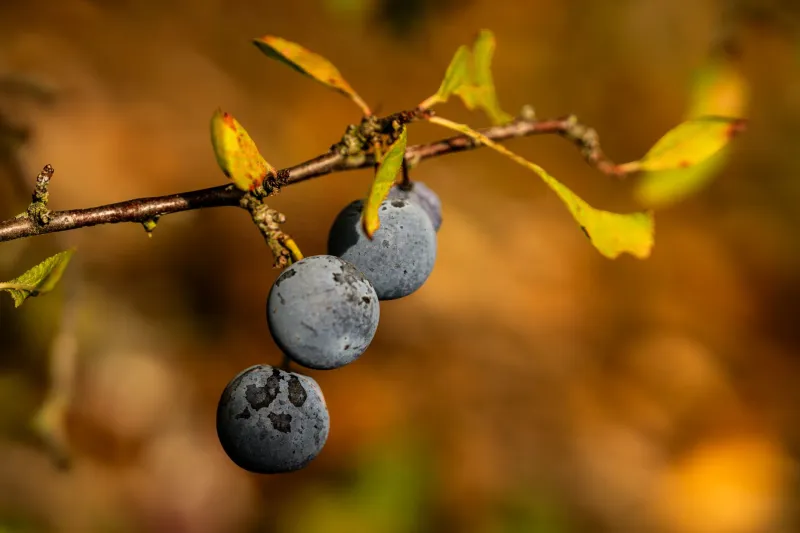
There is a particular kind of November light that makes the hedges around Great Bedwyn look as though they have been lit from within. The last leaves are thinning, the towpath is soft underfoot, and the blackthorn is hanging with sloes so dark they look almost blue. It is the sort of morning that invites a slow walk and a borrowed basket.
That basket matters. In this corner of Wiltshire, foraging is rarely a solo pursuit for long. Someone lends you a trug, you return it with a jar of something in it, and by the following week another neighbour is asking whether you have any spare rosehips. The hedgerow harvest is less about stocking the larder and more about keeping the loop going.
The lane that keeps giving
Start along the canal towpath between Great Bedwyn and Little Bedwyn and the hedges are still generous. The dog roses have gone over, but their hips are fat and scarlet. Crab apples hang in small, sour clusters. Here and there a late cluster of haws glows against the bare twigs, and the spindle bushes are doing their strange, cheerful thing with bright pink capsules splitting open to show orange seeds.
It is tempting to see a hedge like this as a free shop. The more experienced foragers in the village tend to see it differently — as a neighbour you do not want to raid. The first rule is simple: take a little, leave plenty. The second is almost as simple: do not damage the hedge to get at the fruit. If a branch will not come to you, it is probably not meant to.
The unwritten rules of a village hedge
There is no official Great Bedwyn foraging charter, but ask around and a rough etiquette emerges. Pick from the outside of the hedge where you can. Leave the top and the far side alone, partly because they are awkward to reach and partly because that is where the birds do most of their work. Never strip a bush bare. A handful from several bushes is better than a bag from one.
Ask before you pick on private land, even if the hedge looks like it belongs to nobody. Avoid the busy verges where exhaust fumes and dog walks make the fruit less appealing. Wash everything when you get home. And if you are on the towpath, remember that the hedges are there for everyone — walkers, boaters, anglers, and the blackbirds that will be relying on the same berries come January.
The legal side is less romantic but worth knowing. Picking fruit, flowers, leaves and fungi from wild plants is generally fine for personal use, but uprooting a plant or picking for sale is a different matter, and some protected species should be left well alone. On private land, the landowner's permission is the starting point. In practice, most village foragers work on the same principle as a good neighbour: ask first, take only what you need, and leave the place looking as though you were never there.
What goes in the basket
Sloes are the headline act. The blackthorn bushes along the lanes are heavy with them this month, and the old advice is to wait for the first frost to soften their mouth-puckering tartness. If the frost has not arrived by the time you read this, you can pick them anyway and freeze them at home for a night or two — the same trick, different freezer.
Rosehips are the quiet second act. The hips of the dog rose make a bright, vitamin-rich syrup that has been a winter standby in British kitchens for generations. Crab apples are the third. Too sour to eat raw, they set into a sharp, pink-tinged jelly that is very good with cold meat, strong cheese, or simply on toast when the wind is rattling the windows.
A few hazelnuts may still be hanging on, though the squirrels usually get there first. Bullaces and damsons turn up in odd corners, and the last elderberries are best left now unless you know a sheltered spot. The general rule is to pick what is abundant, not what is rare.
Three things to make before the frost
Sloe gin is the easiest introduction. Fill a clean jar with pricked sloes, add sugar to taste and cover with a decent gin. Shake it daily for the first week, then weekly for a couple of months. Strain and bottle. It is drinkable by Christmas and much better by the following winter, if you can hide it from yourself.
Rosehip syrup takes a little more patience. Roughly chop the hips, simmer them in water, mash them gently, then strain the liquid through muslin rather than a metal sieve. Sweeten the strained liquid with sugar, boil briefly, and bottle. The tiny hairs inside rosehips are an irritant, so keep them out of the final syrup and avoid feeding it to very small children.
Crab apple jelly is the preserve that looks after itself. Simmer chopped crab apples with enough water to cover, strain through muslin overnight, then measure the juice and add roughly 450g of sugar per 600ml. Boil until it sets when a drop on a cold plate wrinkles. The colour is usually a soft, clear pink.
A basket that comes back fuller
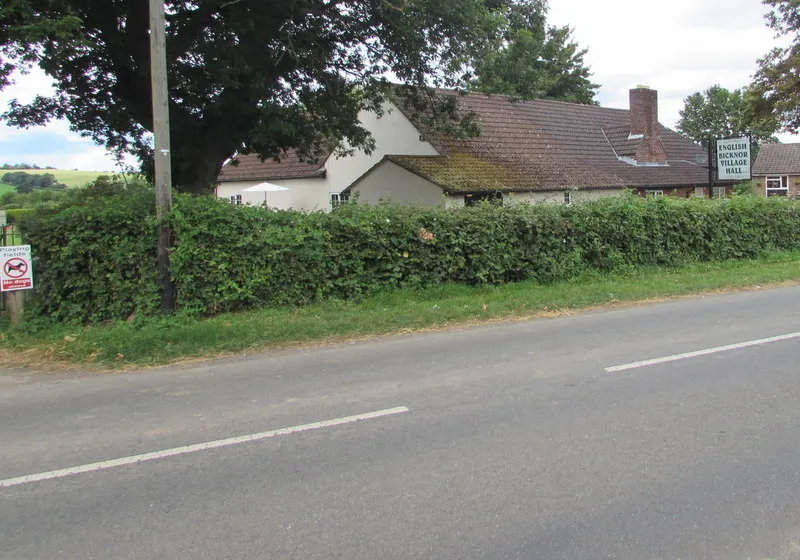
What makes the Great Bedwyn version of this different is not the recipes. It is what happens afterwards. A borrowed basket comes back with a jar of sloe gin in it, or a bottle of rosehip syrup wrapped in a tea towel, or a note saying the crab apple jelly set beautifully and would you like another jar. The village shop sells the sugar. The village hall noticeboard does a brisk trade in gluts. Somebody always knows somebody who has a spare demijohn.
So if you find yourself on the towpath this month, looking at a hedge full of sloes, it is worth remembering that the harvest is not really the point. The point is the walk, the borrowed basket, and the small, unfussy business of sharing what the lanes have given. Take a little. Leave plenty. And if a neighbour lends you a trug, bring it back fuller than it went.