Behind the Counter: The Neighbours Who Keep Great Bedwyn's Village Shop Going
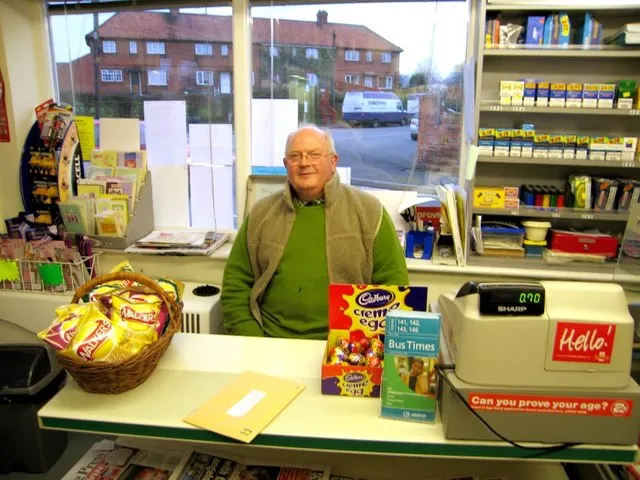
Photo: Martyn Gorman, CC BY-SA 2.0, via Wikimedia Commons
On a wet Tuesday in November 2026, the lights at Great Bedwyn’s village shop are on before most curtains are drawn. The kettle is on, the papers are squared, and someone is trying to remember whether Mrs X wanted semi-skimmed or oat milk. It is not glamorous work. It is, however, the sort of work that holds a village together.
More than a shop
The shop is a shop, obviously. You can buy milk, bread, stamps, a birthday card and the sort of emergency tea bags that save a Sunday afternoon. But spend half an hour behind the counter and you realise it is also a noticeboard, a welfare check and a place where people ask after your mum.
“People come in for a pint of milk and stay for a chat,” says Margaret, who has volunteered on Saturday mornings for several years. “Some of our older customers might not speak to anyone else all day. You learn to read the ones who want a natter and the ones who want to be in and out.”
That reading of people is not in any job description. It is the unwritten part of rural retail. Volunteers learn who is recovering from an operation, who has a new grandchild, who needs their shopping carried to the car and who would rather you pretended not to notice.
A day in the life
No two shifts are the same, but the rhythm is familiar.
- 6.45am: The first volunteer unlocks, turns off the alarm and checks the fridge temperatures. The shop feels very quiet before the village wakes up.
- 7.10am: Papers and milk arrive. There is a brief, highly tactical discussion about where the crates should go.
- 8.00am: The school run begins. Parents dash in for forgotten fruit, bus money or a last-minute card. The queue is friendly but brisk.
- 10.30am: Coffee drinkers and dog walkers. This is when the shop does some of its best work as a social hub, even if the “coffee morning” is really just two stools and a Thermos.
- 12.30pm: Lunch cover. Volunteers hand over, compare notes and try to remember who is collecting a parcel.
- 3.15pm: The after-school rush. Sweets, ice lollies in summer, gloves in winter and a great deal of door-opening.
- 5.30pm: Closing time. Cashing up, tidying, checking tomorrow’s rota and locking the door.
“The rota is the hardest bit,” says Tom, who volunteers after work and helps cover gaps when someone is ill. “Everybody means well, but life happens. You need enough people so that no one feels guilty for missing a shift. That is the secret of a volunteer shop — not heroics, just enough people doing a bit.”
The challenges of rural retail
Village shops do not have an easy time of it. Margins are thin, deliveries can be awkward and the competition is not just the supermarket in the next town — it is the internet, the weather and the simple fact that people are busy. Volunteers are not immune to any of that.
“We cannot compete with a supermarket on price,” Tom says. “But we can compete on welcome. If someone has walked down in the rain for a loaf of bread, they should not feel like they are doing us a favour. We are doing each other a favour.”
That balance — between being a business and being a community service — is the daily puzzle. The shop needs people to spend money, not just admire it. It also needs people to volunteer, not just assume someone else will. In 2026, those two asks sit side by side on the noticeboard: buy a little, help a little.
Small acts, quietly done
Ask volunteers about the kindnesses and they will shrug them off. Someone picked up shopping for a neighbour who was housebound. Someone checked on an older resident who had not been in for a few days. Someone remembered a child’s birthday and put a card aside. Someone made sure the milk was in the fridge before the school run.
“It is not a grand scheme,” Margaret says. “It is just noticing. You notice when someone is not themselves. You notice when a delivery is short. You notice when the village needs a bit of help and you are standing in the right place to give it.”
That is the thing about a village shop. It looks like a small building with a counter. Really, it is a daily rehearsal in neighbourliness.
How residents can get involved
If you have ever thought about helping, the first step is simply to ask. Pop into the shop and ask about the volunteer rota. You do not need retail experience. You need to be reliable, friendly and willing to learn where the parcel shelf is.
Practical ways to support the shop in 2026:
- Take a regular shift, even one a month, so the rota has breathing room.
- Fill a gap when you can — a hour of cover can save someone’s afternoon.
- Shop locally for the small things rather than saving every purchase for a big supermarket trip.
- Suggest stock you would actually buy, and be patient when it takes a while to arrive.
- Share skills — accounting, social media, DIY, window displays or simply making a decent cup of tea.
- Ask before assuming. The shop may need help with deliveries, events or behind-the-scenes admin as much as counter cover.
“People think volunteering means committing your life,” Tom says. “It does not. It means saying yes to a couple of hours and then actually turning up. That is most of it.”
So next time you are in for a paper or a pint of milk, look behind the counter. You will see a volunteer, probably slightly cold, definitely busy, and quietly keeping a piece of village life going. Say hello. It is the least the rest of us can do.