The Stones Remember: Great Bedwyn's War Memorial Through the Families Who Still Tend It
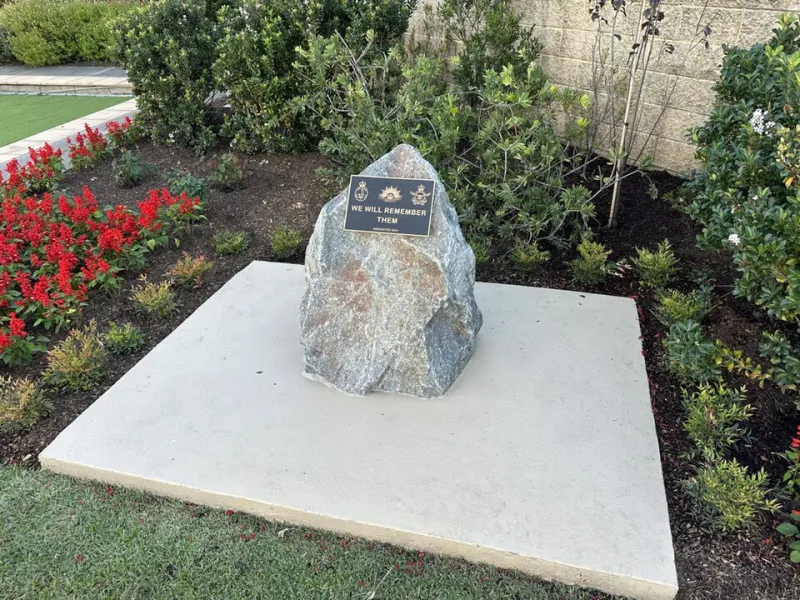
Photo: Chris.sherlock2, CC BY-SA 4.0, via Wikimedia Commons
On Remembrance Sunday morning, before the bells at St Mary's have finished calling people up the path, Great Bedwyn's war memorial is already doing what it has done for a century: it waits. The stone catches the low November light. Poppy wreaths lean against the base. A few people stand with hands in pockets, not quite ready to begin. In 2026, with the village preparing for the 11am silence, the memorial can look like a single object — a cross, a plinth, a list. But stand closer and it becomes a street map of families.
A Sunday Morning at the Stones
The service itself is familiar in the best way. There are hymns, a reading, the names read aloud, and the long, held quiet that follows. People who have stood there for years know roughly where to park, roughly when to arrive, and roughly which part of the path gets muddy after a wet week. Newcomers stand a little further back and follow the order of service. The memorial does not change much between years. The village around it does.
That is the interesting part. A war memorial is usually spoken about as a piece of history, but in a place like Great Bedwyn it is also a piece of neighbourly geography. The names on it belong to families who lived in cottages along Brook Street, on farms out towards Chisbury and Wilton, and in houses within sight of the canal and the railway. Some of those surnames are still on letterboxes. Some are still in the churchyard. Some are still in the village shop's Christmas draw.
Reading a Memorial Like a Street Map
If you read the panels slowly, you notice repetition. The same surnames appear more than once. Brothers, cousins, men from the same lane. There are names that sound like the farms around the parish and names that sound like the trades that kept the village going. You do not need a military historian's eye to see that this is a record of a small place at a terrible moment.
It helps to think of the memorial as a document with two layers. The first layer is the official one: rank, regiment, date of death. The second layer is local: which family, which cottage, which school, which chapel, which employer. The first layer is neat and impersonal. The second layer is where the village comes in. It is also where the silence becomes less abstract. A name is not just a name when you can picture the road it came from.
The Families Who Carry the Names
For this piece, the most useful conversations were not with historians but with descendants. One woman spoke about a great-uncle whose name appears on the memorial and said the family had always called him 'our Herbert' rather than a soldier. Another family keeps a photograph of a young man in uniform on a sideboard, not as a shrine but as an ordinary family picture that has simply stayed put. These are not grand stories. They are domestic ones. They are also the reason the memorial still matters.
Several families mentioned the same thing: the names were not handed down with long explanations. They were handed down as people. A great-grandfather who liked horses. A young man who worked on a farm. A brother who wrote letters home. The war is part of the story, but it is not the whole story. The village remembers the person first and the conflict second, which feels like the right way round.
What the Archives Add
Parish records, school log books and old newspaper archives fill in some of the gaps. The Wiltshire Gazette & Herald from the 1910s is not a quick read; the type is dense and the headlines are often just 'Local News'. But the small paragraphs are gold. A fundraising concert. A son reported missing. A memorial committee meeting. A list of donations from farms and cottages. You begin to see the war as something that happened to a network of households, not just to a list of individuals.
The Wiltshire & Swindon History Centre is the place to go for anything deeper. The staff there are used to family historians arriving with a surname and a hunch. It is worth taking a notebook and allowing more time than you think you need. Local newspaper archives are also available through some libraries. The point is not to turn every name into a research project. It is to let the records show what the village already knows: these were neighbours.
A Neighbourly Remembrance, Not a History Lesson
Remembrance Sunday can tip into general statements about war and sacrifice. Those statements have their place. But in a village, the more affecting thing is often the specific. A farm gate. A school desk. A christening record. A photograph with a crease down the middle. The memorial is not there to teach a lesson about the twentieth century. It is there to stop a set of local names from disappearing.
That is why the annual service still works. It is short, it is public, and it is repeated. Repetition is not dullness. It is how a village carries a memory without making a performance of it.
If You Want to Look Further
If you are new to Great Bedwyn, take ten minutes after the service to read the memorial properly. Photograph the panels. Ask an older neighbour if they know the family names. Visit the church porch and look at the other memorials and inscriptions. If you are researching a name, start with the parish records and the local newspaper archives, then speak to anyone who remembers the family. The memorial is not a closed book. It is a set of names that still has neighbours — and that is the quiet point of the stones.