Dames, Duct Tape and a Borrowed Crown: Inside Great Bedwyn's Panto Rehearsals
Photo: amateur village pantomime rehearsal community hall stage UK, via i.pinimg.com
On a damp Tuesday evening in mid-November 2026, the lights are on at Great Bedwyn village hall and the car park is fuller than you might expect for a village of this size. Inside, somebody is rattling a tin of biscuits, a teenager is trying to remember which side of the stage is stage left, and a retired neighbour is practising a curtsey in a pair of walking boots. It can only be panto season.
Great Bedwyn's annual pantomime has become one of those fixtures that quietly anchors the village calendar. Before the Christmas lights are switched on and before the carol sheets are photocopied, a cast and crew of all ages gathers to build a show out of a script, a few bags of screws and an awful lot of goodwill. It is not the West End. It is, in its own way, much more interesting.
The read-through that starts it all
It begins, as these things often do, with a read-through. Scripts are handed out, pencils are produced, and everybody tries not to laugh too loudly at the jokes they have already been told not to laugh at. The director — a volunteer, like everyone else — has the unenviable job of working out who can make which rehearsals, who is happy to be on stage, and who would rather be behind it with a paintbrush.
What strikes you is how little separation there is between the cast and the audience. The person playing the dame may well have served you at the village shop. The villain might be the same neighbour who lent you a ladder in October. The chorus includes children from the village and teenagers who have grown up watching the panto from the front row. By the time the first scene is read aloud, the hall already feels less like a rehearsal room and more like a very large, slightly disorganised family gathering.
The first read-through is never polished. It is not meant to be. It is there to catch the awkward bits, work out who is going to be brave enough to sing, and establish the most important rule of village theatre: nobody minds if you are word-perfect, but everybody notices if you are not having fun.
A cast made of neighbours
Pantomime is one of the few forms of theatre where a complete beginner can share a stage with someone who has been doing it for decades, and neither of them finds it odd. This year's cast follows that pattern. There are experienced hands who know exactly where to stand when the audience starts shouting back. There are newcomers who have been gently persuaded by a friend. There are children who are discovering that being on stage is mostly about remembering where you left your prop and trying not to wave at your mum.
What makes it work is that everyone has a job beyond the obvious. The person playing the fairy godmother is also helping with the raffle. The back end of the pantomime horse is a joiner who has strong views about the stability of the costume. A parent who swore they would never tread the boards is now in charge of the tea rota and, rumour has it, a small but pivotal role in the second half.
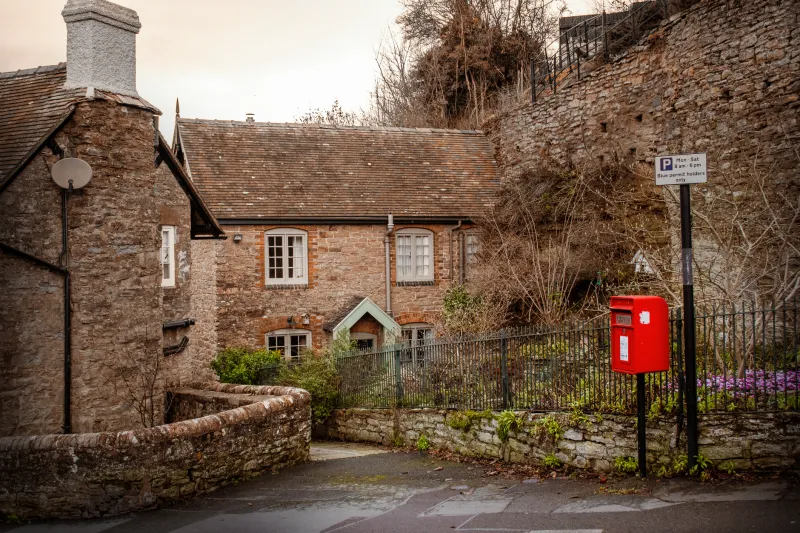
You do not need to be a trained actor to take part. You need to turn up, learn your lines as best you can, and be willing to look a bit daft in front of people you see at the postbox every week. In Great Bedwyn, that is apparently a price worth paying.
Building a kingdom from scrap
Walk round the back of the hall during a rehearsal and you find the other half of the panto. The set is being built from timber, old flats and a trailer borrowed from a neighbour. Somebody's garage has become a paint shop. Somebody else's dining table is covered in fabric, sequins and a sewing machine that has seen better days but is still game.
The costume rail is a wonderful thing. It is part charity shop, part dressing-up box, part community lending library. There is a crown that has done the rounds for several years and is now held together with a combination of hope and hair grips. There is a cloak that began life as a curtain. There are shoes that have been sprayed, glued and decorated within an inch of their lives.
None of this is done for glory. The set painters do not get a curtain call. The people working the lights are hidden at the back. The prompt sits in the wings with a script and a torch, ready to rescue anyone who suddenly forgets the name of the village they are supposed to be saving. But without them, the show simply would not happen. Villages are good at this sort of thing: making a lot out of a little, and making it look like fun.
The traditions nobody writes down
Every panto develops its own customs. There is the warm-up that nobody admits is a warm-up. There is the biscuit tin that appears at exactly the right moment. There is the in-joke that will mean nothing to the audience but will keep the cast going through the final week. There is the moment when someone realises the script has a local reference that will land perfectly with a Great Bedwyn crowd — a nod to the canal, the railway, the shop, the allotments or the weather — and the whole room enjoys it a second before the audience will.
The audience has its own traditions too. The shouts of 'he's behind you' will come whether or not the villain is actually behind anyone. The singalong will be louder than rehearsed. Somebody will laugh at the wrong moment. Children will sit cross-legged at the front and take the whole thing very seriously indeed. It is chaotic, and that is the point.
Why a small village puts on a big show
By the time the final rehearsals arrive, the hall will be full of half-painted scenery, stray bits of tinsel and people running lines in corners. There will be a last-minute panic about a missing prop. Somebody will sew something onto something else. The lights will be tested. The tea will be made. And then, somehow, it will all come together.
That is the thing about a village pantomime. It is not really about the plot, which everyone knows anyway. It is about the fact that a group of neighbours, of different ages and with different amounts of spare time, have decided to make something together in the darkest part of the year. It gives people a reason to come out on a cold November evening. It gives children a first taste of being part of something bigger than themselves. It gives the rest of us a chance to sit in a village hall and laugh at people we know.
If you see someone walking through Great Bedwyn muttering their lines, carrying a tin of paint or looking vaguely hunted near the village noticeboard, wish them luck. The panto is coming together. And in a village like this, that is worth a round of applause before the curtain even goes up.