Steam, Stone and Signals: How the Railway Shaped Great Bedwyn
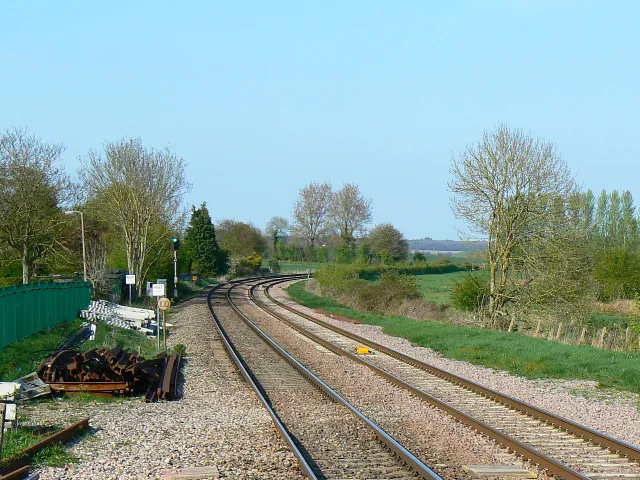
Photo: Brian Robert Marshall, CC BY-SA 2.0, via Wikimedia Commons
Stand on the platform at Bedwyn station on a cold, clear morning and you can hear the village before you see it: a train braking, rooks in the trees, the tick of the level crossing. It is a modest stop — two platforms, a shelter, a timetable that rewards planning — but it carries a disproportionate amount of Great Bedwyn's history. The railway did not just arrive here; it helped rearrange the village around a new set of possibilities.
A canal first, then a railway
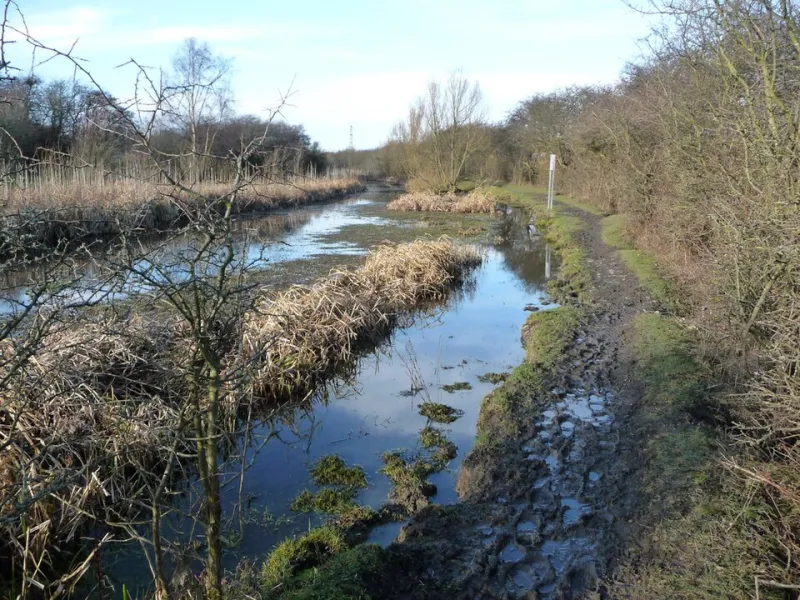
Long before the first steam train, Great Bedwyn was already a transport village. The Kennet & Avon Canal opened through the parish in 1810, linking Reading and Bath by water. Wharves along the canal handled coal, timber, grain and lime; boat families became part of local life. The canal was the village's first taste of reliable long-distance trade, and the towpath is still the best place to imagine that older economy — the creak of rope, the slow progress of a loaded barge, the wharfinger's ledger.
By the 1840s, the Great Western Railway was pushing west. The line through Great Bedwyn opened in 1847 as part of the GWR's Berks and Hants route, in the era when Isambard Kingdom Brunel's broad gauge was still the company's calling card. The station was originally known simply as Bedwyn, and it sat at the edge of the village rather than in its heart — a deliberate railway habit that shaped where later houses, shops and workshops would cluster.
Brunel's broad gauge and the people who worked it
The broad gauge was wider than the standard gauge that eventually won the argument, and it gave GWR trains a famously smooth ride. Great Bedwyn's tracks were later narrowed in the great gauge conversion of the late 19th century, but the line's Brunel-era DNA is still there in the cuttings, bridges and embankments that carry the railway through the valley.
Local historian Helen Marsh, who has spent years tracing the parish's transport records, says the railway changed more than the view. 'The railway gave Great Bedwyn a front door to London and the west, but it also gave the village a new kind of timetable,' she says. 'Village life began to be measured by trains. The station master was a figure of authority, the porters knew every regular traveller, and the goods yard was as busy as the platform.'
That goods yard mattered. Coal arrived for village fires, milk churns went out to dairies, and livestock, timber and agricultural machinery came and went. For a farming community, the railway was not a novelty — it was the difference between a local market and a wider one.
One resident, who has lived within earshot of the line for more than forty years, remembers the station in its quieter post-war years. 'There were still people working the boxes and the platform then,' he says. 'You could turn up and ask a question. Now it is unstaffed, but the trains still stop, and that is what keeps the village connected.'
What the railway did to the village
Cheap, fast transport changed shopping, work and school. Villagers could commute to Newbury, Reading or London; families could visit relatives without a long cart ride; and local businesses could send goods further afield. The station also brought change of a harder kind: during both world wars, the line carried evacuation parties, service personnel and freight, and the village felt the railway's strategic importance as well as its convenience.
Today the station is a stop on the Reading to Taunton line, served by Great Western Railway trains. It is unstaffed, so it rewards a little preparation: check times before you set out, buy tickets online or at the machine if one is available, and allow extra time if you are connecting. The level crossing and the narrow approach lanes are part of the station's old-fashioned charm — and part of the reason a torch and sensible shoes are useful on a winter walk.
A heritage walk from the platform
A gentle two-to-three mile circuit makes a good half-day outing. Start at Bedwyn station, then head towards the canal and join the towpath. Follow the water towards the village, looking out for the old wharf edges and the bridges that carry lanes over the canal. From the towpath, pick up the footpaths into Great Bedwyn, where St Mary's Church and the older cottages around the centre give a sense of the village the railway joined rather than created.
For a longer outing, follow the towpath towards Crofton and the famous beam engines, which are usually open on selected weekends. The railway and the canal sit side by side here in a way that makes the transport story easy to read: first water, then steam, then the modern timetable.
Practical notes: the towpath can be muddy after rain, some stretches are narrow, and anglers and boaters have priority at moorings. Keep dogs close near livestock, carry a torch if you are out late, and check opening times before relying on a pub or shop. The station itself has no ticket office, so do not assume you can sort everything on the platform.
Great Bedwyn's railway heritage is not a museum piece. It is a working line, a daily commute, a school run and a reason the village feels connected to the wider world. The trains still come, and the village still organises itself around them — just as it has since the first broad-gauge engine steamed through in the 1840s.