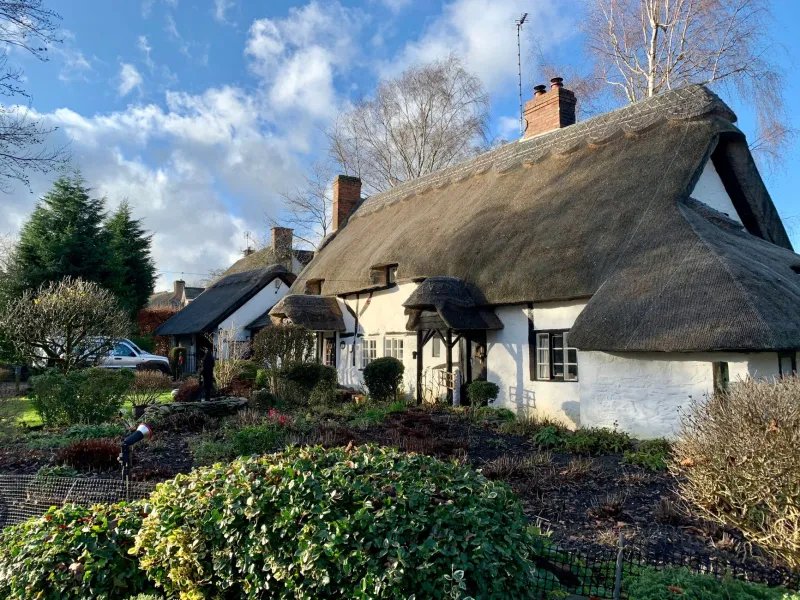
A Shoebox for the 22nd Century: Great Bedwyn Packs Its 2026 Story
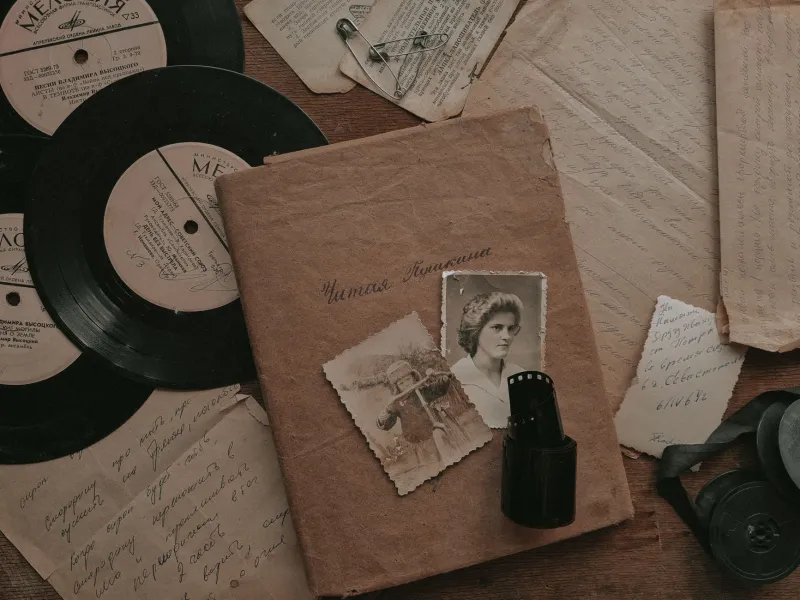
The first time someone suggested a time capsule for Great Bedwyn, it was at the back of the village hall after a coffee morning. Someone had found an old tin of buttons in a cupboard, and within ten minutes we had moved from buttons to the entire village. That is how these things go.
With 2026 drawing to a close — and the village already talking about how to mark the year — the idea has stuck. Not a grand monument. More a shoebox for the 22nd century: a sealed container of letters, photographs and ordinary things that says, plainly, this is what Great Bedwyn was like a hundred years before you.
A hundred years is a long time for a USB stick
The romantic version involves a brass-bound chest and a parchment map. The practical version involves acid-free paper, silica gel and a very good lid. Anyone who has ever opened a damp box in a shed knows the enemy is not time but moisture.
So the first rule is boring: keep it dry. The second is almost as dull: keep it readable. A USB stick may seem modern and generous, but it needs a port, a cable and software that still exists. A photograph printed on proper paper can be held up to the window. A letter can be read aloud. A seed packet can be shaken. Future neighbours will thank us for things that do not require a password.
What the history group would keep
Ask the local history enthusiasts and the answers come quickly: a map of the village today, marked with the shop, the hall, the church, the station and the allotments. A copy of the parish magazine. A programme from the summer fete. A photograph of the canal on an ordinary Tuesday, not just the sunny day when everyone dressed up.
One suggestion was a set of ‘then and now’ pictures: the same view of St Mary’s, the same bend on the towpath, the same corner of the village green, repeated across the seasons. Another was a simple list of who lived here — not a census, just first names and the things people did. Who ran the shop. Who coached the juniors. Who opened the hall on a cold morning. Who put the flags out.
That last idea is the one that lingers. A time capsule can easily become a display of official life: the minutes, the newsletters, the ribbon-cutting photographs. But villages are held together by unpaid, unrecorded things.
The case for the ordinary
The shop receipt. The train ticket from Bedwyn to Pewsey. A copy of the village hall booking form, with its slightly wonky photocopying. A menu from the pub. A leaflet for a walk that somebody typed in a hurry. A child’s drawing of the canal, complete with a heron the size of a dog.
These are the things that make future neighbours laugh and nod. They are also the things most likely to be thrown away this week. A time capsule gives us an excuse to rescue them.
There is a sentimental argument and a practical one, and they meet in the middle. Sentiment says: put in the letters, the photographs, the things that make us feel something. Practicality says: label everything, date it, and explain the jokes. A caption can turn a scrappy receipt into a small piece of social history.
The school’s shoebox
If the village does go ahead, the primary school should probably be in charge of at least one box. Children are honest about what matters. They will not include the minutes of a meeting that lasted two hours. They will include a favourite book, a drawing of their house, a list of what they had for lunch, and a strong opinion about the best bench in the village.
That is not a joke. It is exactly the kind of detail that history books leave out. A hundred years from now, someone may be far more interested in what a nine-year-old in Great Bedwyn thought of the walk to school than in the date of a boundary change.
The things we might regret
We will probably regret putting in too much paper about ourselves and not enough about the place. We may regret the things we thought were too ordinary to include: the bus timetable, the queue at the shop, the muddy patch by the gate, the way the light falls on the canal in November.
We may also regret the things we cannot capture: the smell of the hall after a jumble sale, the sound of the train, the particular noise a bicycle makes on the towpath. A time capsule is always an incomplete record. That is part of its charm.
What would you bury?
So here is the open question. If Great Bedwyn sealed a box this winter, what should go in? A photograph of your street? A letter to a stranger? A pressed leaf from the allotment? A copy of a recipe that gets passed around at Christmas? A list of the things you would miss if you moved away?
The best time capsules are not curated by experts. They are assembled by neighbours who disagree a bit, laugh a lot and eventually choose the things that feel true. If you have an idea, the village hall noticeboard — or the shop counter — is as good a place as any to start.
We have until the seal goes on. After that, the box belongs to the future. Let us make sure it has something worth opening.