Six Seats, One Village: Where to Pause on a Great Bedwyn Walk
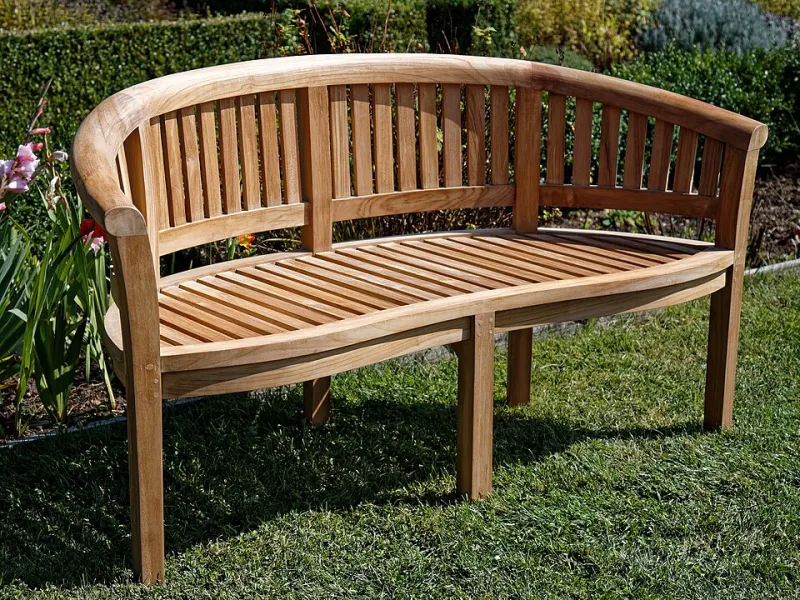
Photo: Acabashi, CC BY-SA 4.0, via Wikimedia Commons
Walking is good for you. Sitting is better. That’s the unfashionable opinion I’ve arrived at after a year of watching people power past benches with the grim determination of someone who has left the oven on.
Great Bedwyn is not short of a proper outing. There’s the canal, the common, the long trudge up towards the woods, and enough footpaths to fill a weekend. But this is not a guide to any of those. It is a guide to stopping — five or six small, free corners where you can sit down, take the weight off, and let the village carry on around you for a bit.
All of them are accessible on foot from the centre of the village. None of them costs anything. And all of them depend on the rest of us being reasonably considerate.
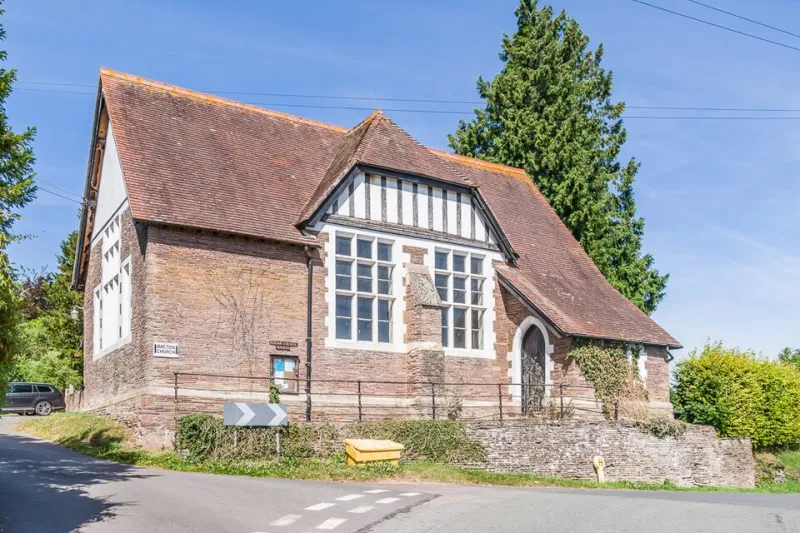
The bench in the churchyard
The benchmark by which all village benches should be judged. Tucked into the quiet side of St Mary’s churchyard, it catches what passes for afternoon sun and gets none of the passing traffic.
One resident told me she eats her lunch here on workdays because it is ‘the only place nobody can ring me’. Another said he comes for the birds and stays for the peace. In winter the yew does a fine job of blocking the wind; in summer the shade is genuinely excellent.
How to respect it: keep voices low, and remember a churchyard is still a churchyard. No dogs off the lead, no picnic litter, no phone calls on speaker.
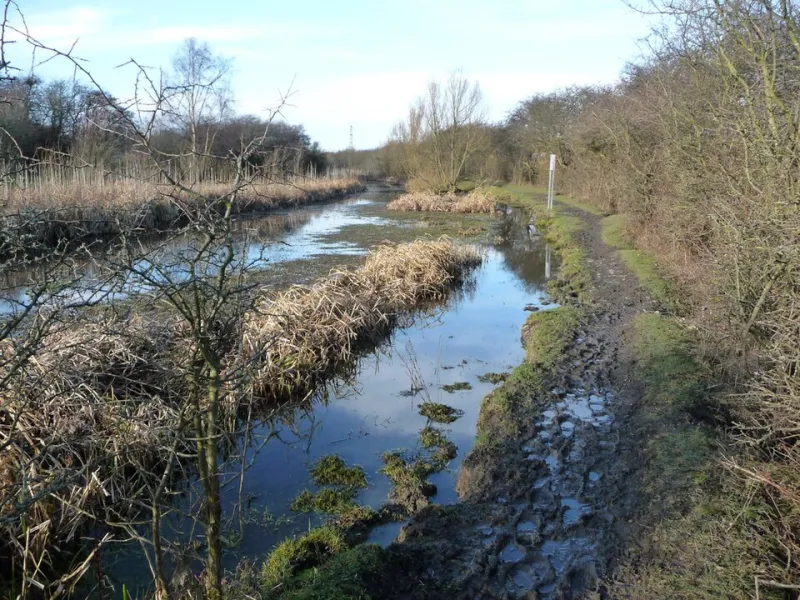
The lock-side seat on the canal
There is something deeply satisfying about watching a lock fill. It is slow, it is repetitive, and it has a clear ending — three qualities in short supply in most of modern life.
This is the best spot in the village for a spontaneous conversation. Waiting for a boat to descend appears to make strangers unusually chatty, and I’ve had three separate conversations here about the state of various hire boats.
How to respect it: don’t stand in the middle of the lock beam photographing everything. If someone is working the paddles, give them room. If they ask for a hand, a hand is what you give.
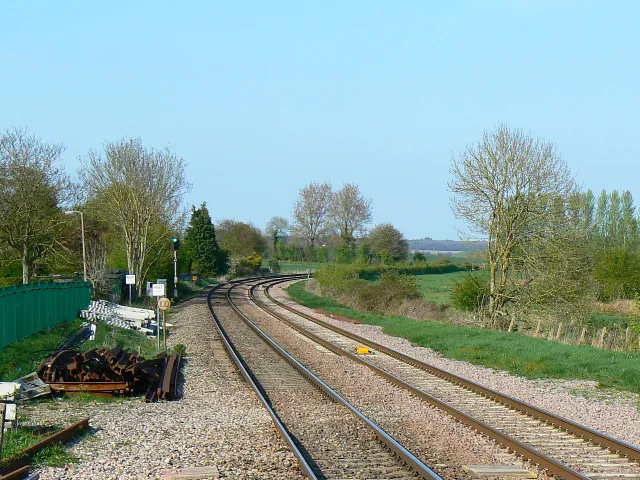
The platform bench at the station
Unfashionable, I know. A railway platform is not an obvious destination. But there is a particular joy in sitting on a bench with no intention whatsoever of getting on a train.
The passengers are the entertainment. Briefcases, walking boots, teenagers with enormous bags and an air of grievance — the whole village emptying and refilling itself on the hour. One regular told me he comes down simply to see who’s about. ‘It’s better than the internet,’ he said, which is unarguable.
How to respect it: you are a guest on a working platform. Sit, don’t sprawl, don’t take up four seats, and stand up if the train actually arrives and people need to board.
The stile on the path out towards the common
Not technically a seat, but lean on the top rail for a minute and you will understand why it belongs on this list. The ground drops away, the noise of the village falls off a cliff, and the whole of Great Bedwyn rearranges itself into something that looks almost like a painting.
This is the spot for the end of the day. Half a dozen people have told me some version of the same thing: they walk out here when a decision needs making, and they usually go home having made it.
How to respect it: climb over, don’t squeeze past. If a dog can’t manage it, use the lead and go round.
The bench by the brook
Small, low, and easy to miss. The water is shallow and quick here, and it does that thing where it makes a noise that is exactly the noise you want to hear at the end of a long week.
Families use it for duck-spotting; dog walkers use it as a halfway marker; one neighbour admitted she has been known to bring a mug of tea down in the morning and call it her ‘commute’. It is also, by common agreement, the best bench in the village for doing nothing at all.
How to respect it: bread is not good for ducks, however much they pretend otherwise. Take the crusts home.
The wall by the shop
An honorary entry. Not a bench, not a seat, and strictly speaking a wall — but a genuine meeting point, used by people who need two minutes to sort out a bag, check a list, or finish a conversation before driving off.
It is also a good reminder that sitting down isn’t the only kind of pausing. Some days a wall, a friendly nod and a bit of shade is all the rest you needed.
How to respect it: don’t block the doorway or the pavement. Two minutes is the accepted limit before you look like you’re loitering.
A short word on sitting without spoiling it
Quiet corners stay quiet because of small habits, not big rules.
- Take your rubbish home, including the bits that are almost invisible, like apple cores and the crumbs from a dog biscuit.
- Keep the volume where it would be if someone were reading two metres away.
- Leave the bench as you found it. If it is wet, wipe it. If you moved it, move it back.
- Say hello. This is a village, not a reading room, and a nod costs nothing.
Why five minutes is worth the walk
We tend to treat time outdoors as a task with a target — four miles, ten thousand steps, two hills. But the most useful thing about these six spots is that they ask nothing of you. There is no route to complete. You just sit down, notice where you are, and get up again feeling slightly more like a person.
So next time you’re out, plan the pause as carefully as the walk. Pick a seat. Give it ten minutes. Watch what the village does when nobody is busy.