Hi-Vis, Lost Bottles and the Eight O'Clock Hello: Ten Scenes from Great Bedwyn's School Gate
Photo: Nationaal Archief, No restrictions, via Wikimedia Commons
At seven fifty-three on a damp Tuesday in November, the lane outside Great Bedwyn's village primary is already busy. Not rushed, exactly. More like a small town square that has been folded up, put away for the night, and then unfolded again at dawn. There are cars, dogs, buggies, book bags, one stray scooter helmet and a surprising number of people who appear to have come out in their slippers.
The school gate is not usually described as a village institution. The hall is. The shop is. The canal, the church, the allotments — all obvious contenders. But stand at the gate for twenty minutes on a weekday morning in 2026 and you will see a daily ritual that does quiet, reliable work. It is part transport hub, part noticeboard, part emotional support service and part lost property department. Here is what an ordinary drop-off looks like, in ten small scenes.
1. The first car door
Seven fifty-five belongs to the early arrivals. Engines tick over, headlights glow, and a small procession of children emerges blinking into the gloom. Some are still finishing toast. One is carrying a model of a Tudor house that is definitely not going to survive the walk to the classroom. A parent in a fleece is doing the familiar one-handed shuffle: keys, coffee, reading folder, hood up, hood down, hood up again.
Nobody lingers too long at this hour. The early shift has a rhythm of its own: drop, wave, check the bag, wave again, pretend not to watch until the gate is reached.
2. The hi-vis hello
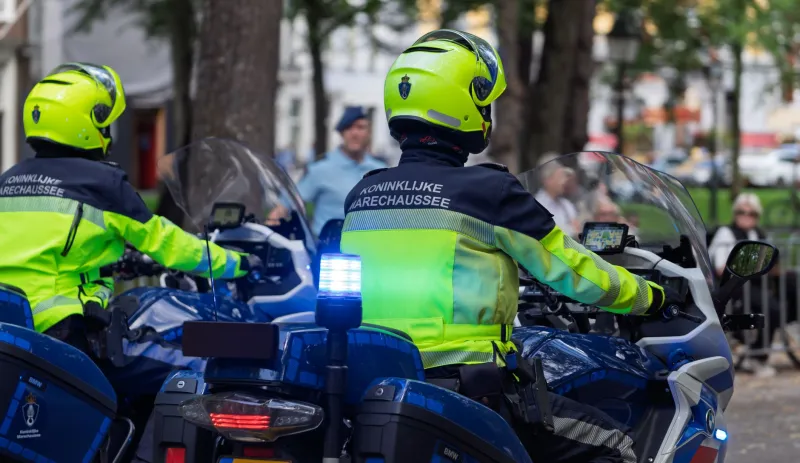
The crossing patrol is already in position, bright as a beacon against the grey. There is a practised swing of the sign, a nod to the driver who has stopped, and a steady stream of small people ferried across the lane. The job looks simple until you notice how much of it is judgement: which car is actually slowing, which cyclist has seen the sign, which child has spotted a friend and forgotten the existence of roads entirely.
The morning hello is part of the service. So is the reminder to walk, not run, and the cheerful enquiry about whether anyone remembered their water bottle. Usually, someone did not.
3. The table of lost things
Just inside the gate, a small table has become the village's most honest noticeboard. It holds water bottles, gloves, a single shin pad, a lunchbox with no name and a hair bobble that has clearly been through a lot. Nothing matches. Everything is waiting.
Parents approach it like a tombola. A glance, a hopeful rummage, a quiet word to the person beside them. The table is not official, but it is organised in its own way. Items arrive, items leave, and occasionally a bottle is reunited with its owner after three weeks in the wilderness. Small victories count double on a wet morning.
4. The puddle parliament
By ten past eight, a loose gathering has formed by the wall. This is where the real business happens. Someone's boiler is making a noise. Someone else's mother-in-law is coming for Christmas and the spare room still has a bike in it. There is news of a hedge being cut, a lost cat being spotted, a village hall event that needs another pair of hands.
It is not a meeting. There is no agenda. It is a puddle parliament, held in wellies, and it does more for neighbourhood morale than most formal committees. People arrive with one question and leave with three answers, one cake recipe and a name to ring about a plumber.
5. The buggy slalom
The narrow stretch by the gate requires a particular kind of village choreography. Buggies reverse. Dogs weave. A child on a scooter attempts a daring overtake and is gently redirected. Someone holds the gate for someone else, then someone else, then a fourth person who was still a good ten paces away but is now committed to a grateful little jog.
It is the sort of scene that could be infuriating if people were not so willing to make room. They are. Mostly. The slalom works because everyone knows the steps, even if nobody remembers learning them.
6. The forgotten PE kit
At eighteen minutes past eight, a familiar drama unfolds: the child who has remembered everything except the one thing they need. A parent sighs, checks the boot, checks the back seat, checks the boot again, and then makes the face that says this is now a problem for later.
Someone nearby will offer a spare pair of shorts. Someone else will say they have a child in the same year and can drop it in. The offer is casual, almost throwaway, but it is the kind of thing that makes a village school feel less like an institution and more like a shared household with very complicated rota arrangements.
7. The five-minute forecast
The weather is discussed with the seriousness of a shipping bulletin. Will it hold for the afternoon? Is that rain or just mist? Should the washing have gone out? The answers vary, but the conversation does not. It is a way of saying good morning without saying good morning.
In 2026, there is also the phone forecast, checked by at least three people who will each announce a slightly different verdict. Nobody resolves the disagreement. The bell does that for them.
8. The handover
The gate opens properly and the energy shifts. Children who were hanging off sleeves suddenly remember they are independent people. Parents who were mid-sentence become background figures, waving at backs that are already turning. A reception child grips a hand for one last second, then lets go.
The handover is quick, but it is not nothing. It is the moment the village hands its children over to the day, and the day hands them back a few hours later, usually muddier.
9. The after-bell stragglers
The bell goes. Most people drift away. A few remain: the ones finishing a conversation, the ones waiting for a late-running friend, the ones who have spotted someone they have not seen since half term. The lane empties slowly, like a tide going out.
A dog gets a final sniff. A buggy is folded. Someone remembers they were going to pop to the village shop and turns in that direction instead. The gate settles back into being a gate.
10. The quiet tidy-up
Before the last car pulls away, a handful of people do the small jobs nobody claps for. A stray glove is placed on the lost table. A piece of litter goes in the bin. A cone is moved back to where it belongs. The crossing patrol packs up the sign and says goodbye to the person who always says goodbye.
It takes two minutes. It makes the next morning easier. That is the whole trick of the school gate, really. It is not a grand civic project. It is a hundred tiny acts of neighbourly maintenance, repeated often enough to become a habit.
What the gate really does
Great Bedwyn is not unique in having a busy school run. But there is something particular about a village gate, where the same faces appear day after day and the same small dramas play out in the same small space. It is where news travels, where spares are offered, where names are learned and where the day begins with a nod.
So if you pass the school at eight o'clock and see a huddle of adults in waterproofs, a table of lonely water bottles and a hi-vis figure holding up the traffic, you are not looking at a delay. You are looking at a village institution doing its quiet morning shift. It will be there again tomorrow, and the day after that, rain permitting.