Who Clears the Lane? The Honest Guide to Winter Gritting Around Great Bedwyn
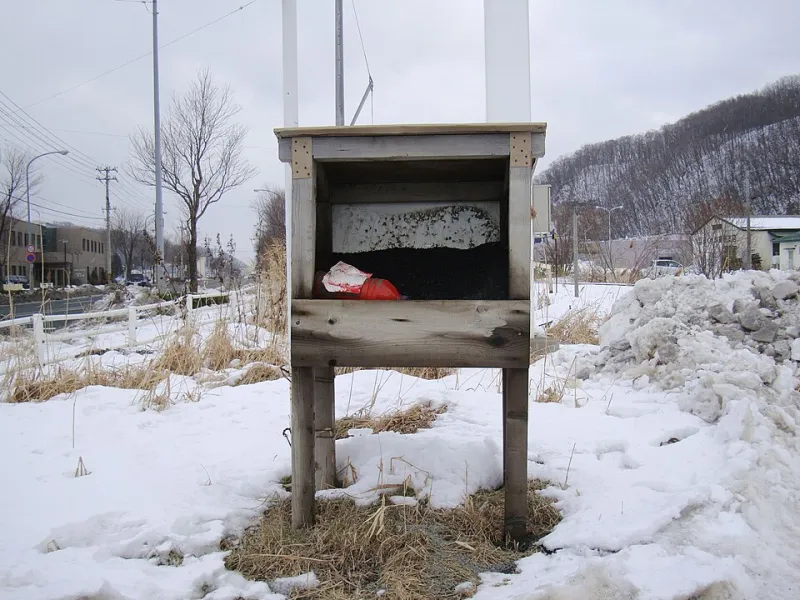
Photo: 221.20 (talk), Public domain, via Wikimedia Commons
There is a particular sound that arrives with the first hard frost: the low rumble of a lorry somewhere out on the main road, and then the quieter, more local sound of someone scraping a windscreen with a credit card. By about ten past eight, the school-run traffic is picking its way down lanes that may or may not have seen any salt at all. It is worth knowing, before the first proper cold snap, how the whole arrangement actually works.
The lorry has a list, and your lane probably isn't on it
Wiltshire Council is responsible for gritting the county's adopted highways, but it does not salt every road. It works to a priority network: the main routes, the approaches to key destinations, bus corridors and the roads that keep the wider network moving. Around Great Bedwyn, that means the main road through and out of the village is far more likely to see a gritter than the residential lanes, the cul-de-sacs or the little back ways that connect one part of the village to another.
That is not a local oversight. It is how almost every highways authority in the country rations a finite fleet, a finite pile of salt and a finite number of drivers. The parish council does not own a gritter, and it cannot add a lane to the county's priority list just because it gets slippy. What it can do — and does — is keep an eye on the local picture, report problems and help residents understand what is realistic.
The honest answer for most side lanes is this: expect them to be untreated. They may stay icy for days after the main road is clear. That is not a reason to panic, but it is a reason to slow down, leave a bigger gap and think twice about the steep bits.
What the yellow bin is actually for
The yellow salt bins dotted around the parish are not a promise that someone is coming. They are a self-help resource for public roads and pavements. The idea is that residents can spread a little salt on a bend, a junction or a stretch of pavement that would otherwise be treacherous, rather than waiting for a lorry that was never scheduled to arrive.
A few practical rules make a difference. Use a shovel and scatter thinly rather than dumping a heap in one spot. Salt works best when it is spread and then walked or driven over; a bucket tipped onto the crown of a road does very little. Keep it off private driveways — the bins are for the public highway, not for topping up your own path — and go easy near plants, ponds and anywhere pets are walked.
If a bin is empty, report it. Wiltshire Council takes reports through its MyWilts service, and the parish council also wants to know if a local bin has been sitting empty for a while. A report with a clear location — the bin by the bend, the one near the village hall, the one at the end of the lane — is far more useful than a general grumble on social media. It also helps the council work out where the demand actually is.
The neighbour with the shovel is part of the system
On the mornings that matter most, the most effective gritting in Great Bedwyn is not done by a lorry. It is done by someone in wellies, out before the school run, clearing the pavement between the corner and the school gate so that buggies, small legs and older residents can get through.
There is no law against clearing snow and ice from a public pavement outside your own property, provided you do it carefully. The old fear that you will be sued if someone slips is largely a myth; the bigger risk is doing a half-hearted job that melts and refreezes into something worse. Clear it early, before it gets walked down into ice. Pile snow where it will not block a drain, a doorway or the road. Put down a little salt afterwards if you have it, but do not overdo it.
This kind of neighbourly shovelling is not organised, and it does not need to be. It is the sort of thing that happens because someone notices that the pavement is bad and decides to do something about it before breakfast. If you are able to do a stretch, do a stretch. If you are not, say so, and someone else usually will.
Salt is not magic
Rock salt lowers the freezing point of water, but it has limits. In really sharp cold — the sort that settles in for a few days — salt becomes much less effective. Grit and sharp sand do not melt anything, but they do give traction, which is often what people actually need on a sloping lane.
A few other things worth remembering: salt can damage new concrete, so keep it off anything recently laid; it is unpleasant for pets' paws; and it does nothing for a car's bodywork. A rinse underneath after a salty drive is not a bad idea. And if you are spreading salt by hand, gloves are sensible. It is not especially kind to skin.
What to expect on the side lanes
The realistic picture is that the main road will be salted, the side lanes probably will not be, and the yellow bins will be relied upon more heavily in some weeks than others. That means driving to the conditions rather than to the speed limit, keeping a scraper, a torch and a warm layer in the car, and not assuming that a clear main road means a clear lane at the other end.
It also means that the spreadsheet — the one that decides which routes get the lorry — is only part of the story. The other part is the person with the shovel, the full bin, the reported empty bin and the neighbour who checks on someone who should not be out on the ice at all.
Winter in a village like this is a shared effort, even when it looks like nobody is in charge. If you can clear a path, clear a path. If you can report a bin, report it. And if you see someone struggling on the school run, give them a hand. The gritter will do what it can. The rest is us.