The Other Names on the Map: A Friendly Wander Through Great Bedwyn's Smaller Neighbours
Great Bedwyn gets the sign, the station and most of the tea stops. The smaller places around it get the footpaths, the quiet lanes and the sort of views you only notice when you've missed the turning. That's the district in a nutshell: not one village but a handful of neighbours, loosely stitched together by hedges, gates and the occasional shared lift to the shops.
The names on the map
Chisbury, Little Bedwyn, Wilton and the lanes between are not separate worlds. They are the sort of places you pass through on the way to somewhere else and then, one afternoon, decide to walk through properly. Each has a landmark worth aiming for and a small detail that locals clock without thinking.
Chisbury: bank, chapel and a view worth turning round for
Chisbury is a good place to start because it rewards the approach on foot. The earthworks of Chisbury Camp sit quietly above the lane, all grassy banks and ditches that look like a filed-down version of a hillfort. They are the sort of thing you can walk past for years and then suddenly see properly when the light is low and the grass is short.
The Chapel of St Martin is the other anchor: small, old and easy to miss if you're marching towards the next gate. Look for the way the building sits into its surroundings rather than shouting about itself. Residents tend to notice the path edge here — the point where tarmac gives way to mud, the gate that needs a firm hand, the spot where you turn and get the view back over the Kennet valley.
Practical note: parking is limited and verges are not parking spaces in disguise. Park considerately in Great Bedwyn or Little Bedwyn and walk in, rather than squeezing onto a lane built for tractors and hope.
Little Bedwyn: water, church and a proper pause
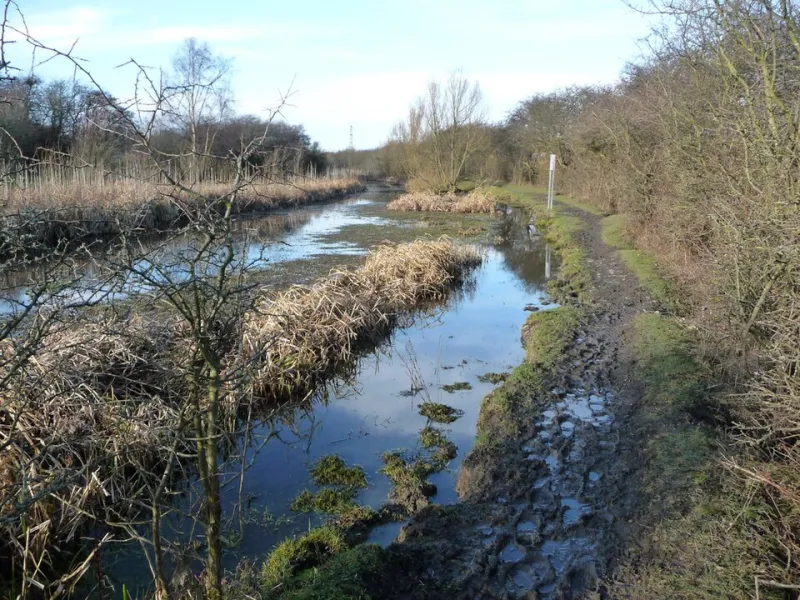
Little Bedwyn is the one that often gets described as 'just down the road', which undersells it. The village sits by the River Kennet, with St Michael's Church as a calm, sturdy landmark and lanes that lead you out towards water meadows and field edges. It is not a place for a tick-list. It is a place for a slow ten minutes.
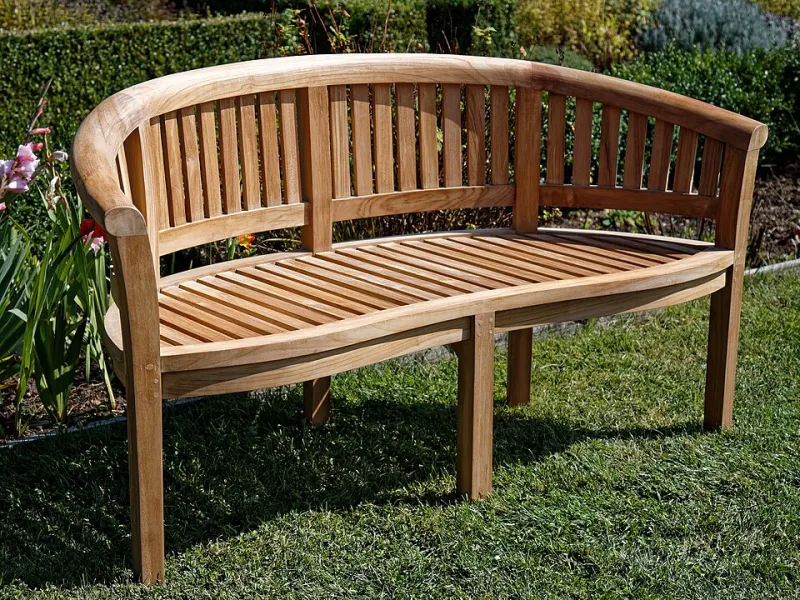
What do residents notice? The sound of water when the wind drops. The way the churchyard wall catches the afternoon. The footpath that looks like it disappears and then doesn't. Visitors tend to look for the obvious feature and miss the smaller stuff: a stone stile, a metal gate with a latch that has its own technique, a bench that has seen better days but still does the job.
If you're connecting Little Bedwyn with Great Bedwyn, the lanes and paths give you options. Take a map rather than relying on memory. There are gates, stiles and field edges that make sense on the ground but not on a phone screen when the signal drops.
Wilton: windmill, water and the long view
Wilton is the hamlet that gives the district its windmill — Wilton Windmill, a proper landmark on the skyline and a reminder that this landscape was worked, not just admired. Nearby, Crofton Beam Engines add another layer for anyone who likes their countryside with a bit of machinery and history attached.
The walking here is often about edges: the edge of the village, the edge of a field, the edge of a wood. Paths open out and then close in again. In November the light is low and the mud is honest. Wear boots you trust and check opening times before promising anyone a windmill visit. The windmill and beam engines are splendid, but they are not vending machines.
What locals notice around Wilton is scale. A hedge is not just a hedge; it is a windbreak, a boundary and a whole small ecosystem. A gate is not just a gate; it is a decision point. A puddle is not just a puddle; it is a test of your route choice.
The lanes between: the bit that joins it all up
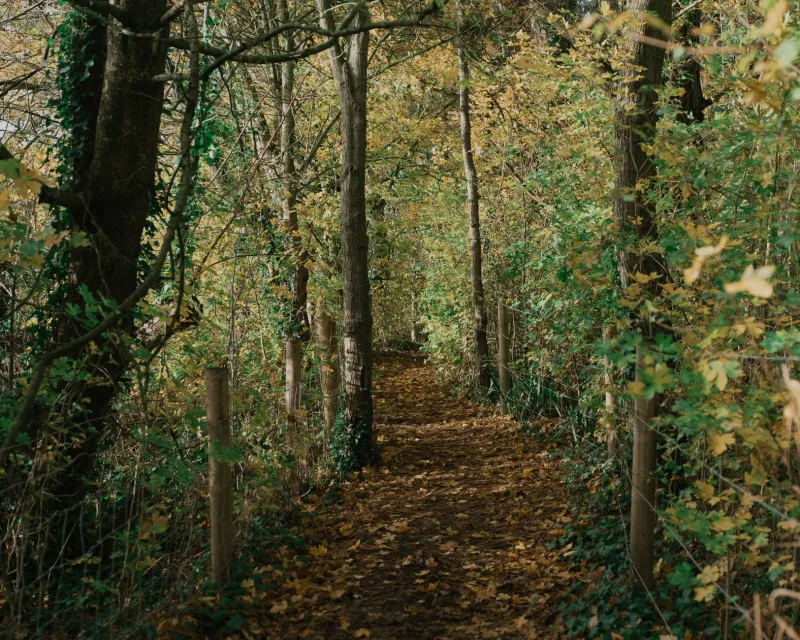
The lanes are where the district actually lives. They are not glamorous. They are narrow, sometimes muddy, often hedged on both sides and occasionally interrupted by a tractor. That is the point. Walk them in daylight, keep dogs close around livestock, and leave gates as you find them. If a sign says private, it means private. The network is good, but good manners keep it that way.
Look for the things that do not make it onto the postcards: a letterbox set into a wall, a hand-painted sign, a bench with a view of nothing in particular, a footpath marker half-swallowed by ivy. These are the details that tell you people live here, rather than just pass through.
A short hamlet hop
For a flexible half-day, start in Great Bedwyn and head out towards Chisbury on foot, using the rights of way rather than the road where you can. Take in the earthworks and the chapel, then follow lanes and paths towards Little Bedwyn. Pause by the church, then loop back towards Great Bedwyn via the towpath or the lanes, depending on the weather and how much mud you fancy. It is not a route to rush. It is a route to test with a map, a flask and a spare hour.
OS Explorer 157 is a sensible companion. So is a charged phone, even if you keep it in your pocket. And so is the willingness to turn back if a path is flooded, a gate is locked or a field is full of cattle.
Nominate the corner we've missed
Every district has a place that locals know and visitors walk past. Maybe it's a bridge, a bend, a bench or a bit of lane that deserves a mention. We're collecting those overlooked corners. If there's a spot around Chisbury, Little Bedwyn, Wilton or the lanes between that you think should be on the map, tell us. The village sign is only the start of the story.