When the Last Glass Was Washed: Great Bedwyn's Disappeared Drinking Places
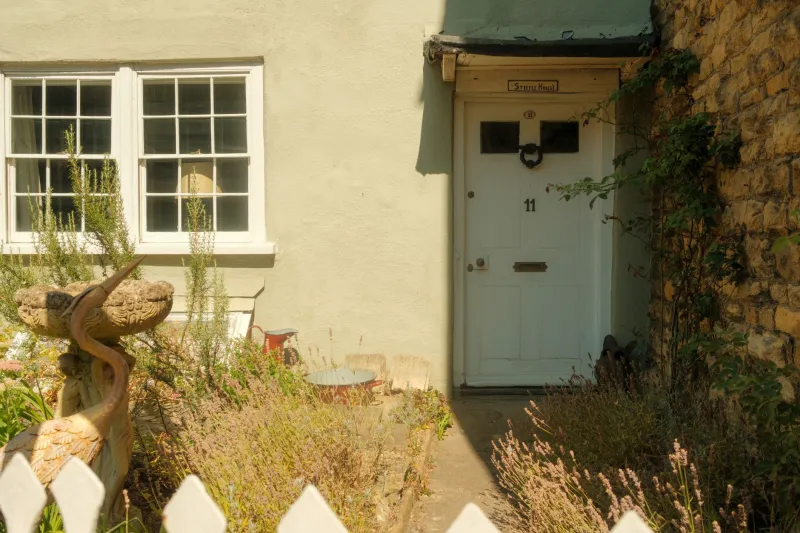
Walk through Great Bedwyn today and you pass doors that look ordinary enough: a low lintel here, a wide old doorway there, a brick wall that seems to have been added in a hurry. Some of them were once pubs. Not all of them, of course — a village can only hold so many licensed premises — but more than most of us would guess. The story of Great Bedwyn's vanished drinking places is not really a story about beer. It's a story about where people met, argued, celebrated, swapped news and, occasionally, missed the last bus home.
Reading the map instead of the menu
Old maps and trade directories are the best place to start. Across the nineteenth and early twentieth centuries, directories list innkeepers, beer retailers and licensed victuallers in villages like ours with a frequency that surprises modern readers. Some were proper inns with yards, stabling and rooms for travellers. Others were beerhouses: modest front-room operations that sprang up after the 1830 Beerhouse Act made it easier for ordinary householders to sell beer. In Wiltshire, cider houses and farm-based drinking places also blurred the line between a business and a back kitchen.
The names shift from one directory to the next. A premises described as a beer retailer in one decade may appear as a shop with an off-licence in another, or vanish altogether. That is not necessarily an error. It is a clue. Rural pubs were often fragile businesses, tied to the fortunes of a landlord, a brewery, a road or a canal. When the trade moved on, the licence moved with it — or simply stopped.
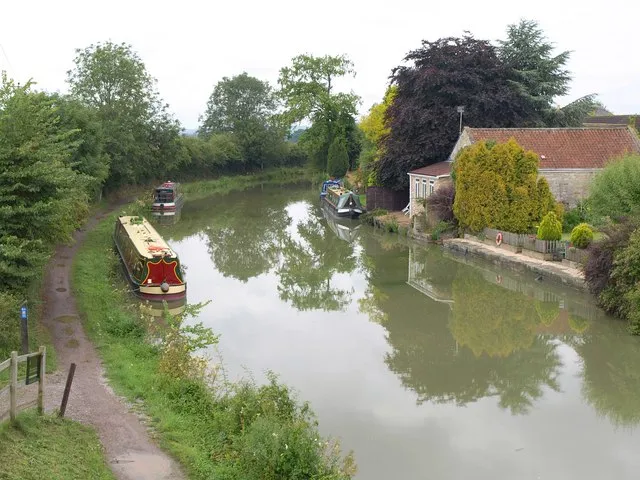
The Cross Keys remains the village's best-known surviving pub, and its presence makes the absences around it easier to overlook. But the old directories remind us that Great Bedwyn once had a more crowded licensed landscape. Some of those places sat near the canal, serving boat traffic and wharf workers. Others stood on the older routes through the village, where carts, carriers and farm labourers needed somewhere to pause. The railway brought its own brief reshuffling of where people gathered. None of this was planned as heritage. It was just business.
What a directory can't tell you
A trade directory gives you a name and a trade. It does not tell you what the room felt like on a Friday night. That is where memory comes in, and in a village like Great Bedwyn, memory is often just a conversation away.
Ask around and you'll hear fragments. A back room used for darts. A landlord who kept a jug behind the bar for a particular customer. A hatch where off-sales were passed out to children sent with a bottle. A pub that was really a farmhouse with a licence and a couple of benches. One long-time resident recalls a village where several doors were still known by their old pub names long after the signs had come down — a habit that lingers in families even now.
These are not grand anecdotes. They are better than that. They are the sort of details that tell you how a village actually worked: who walked where, who was expected to be found where, and what counted as a good reason to stay out longer than planned. The last landlord of a closing pub often becomes a local landmark in memory, even if the building itself has since been extended, rendered or turned into a family home.
The forces that emptied the bars
There is no single villain in this story. Rural pubs closed for a tangle of reasons. Agricultural depression and changing farm work reduced the number of labourers walking home past a pub door. Brewery consolidation tied smaller houses to larger estates and sometimes closed them to reduce competition. Improved roads and car ownership changed how people spent their evenings. Later, drink-driving laws and cheaper supermarket alcohol altered the economics of the village local. House prices did the rest: a building with a large garden and a central location can be worth more as a home than as a marginal pub.
What is striking is how quietly it happened. A closure is rarely dramatic. The landlord retires, the brewery sells, the licence lapses, the sign comes down. A few years later, someone paints the front door a different colour and the building becomes something else entirely. The village adjusts. It always does. But something of the old social map goes with it.
What survives in the bricks
If you live in a former pub, you are probably tired of being told about it. But those buildings do leave clues. Look for a wide entrance that seems out of proportion to a cottage. A cellar hatch. A worn stone step. A bracket high on a wall where a sign once hung. Sometimes an old name survives in the deeds, or in the memory of a neighbour who still calls it by the landlord's name rather than the house's.
These details matter because they are the everyday archaeology of village life. They are not as grand as a church monument or a canal lock, but they are just as honest. A closed pub tells you where people once chose to spend their time — and, by implication, what else the village lacked. In some cases, the pub was the meeting room, the welfare office, the sports committee and the rumour mill all at once.
Why one closed door matters
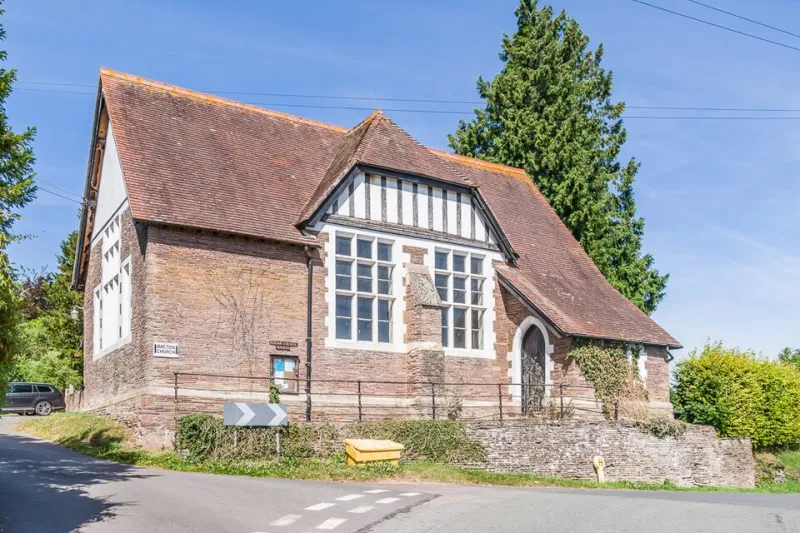
Great Bedwyn's social history is often told through its church, its canal, its railway and its memorials. All of those deserve their place. But the vanished pubs deserve a hearing too, not out of nostalgia for drinking, but because they show how neighbourly life was organised before cars, screens and long commutes reshaped it.
A village's past is not only in the buildings that remain. It is also in the doors that no longer open for business, and in the people who still remember what happened behind them. If you have a photograph, a landlord's name, an old directory entry or a memory of a Great Bedwyn pub that is no longer with us, the village archive would be glad of it. History here is not kept behind glass. It is kept in kitchens, sheds and conversations — one closed door at a time.