Painted Signs and Old Maps: The Stories Hanging on Great Bedwyn's Gateposts
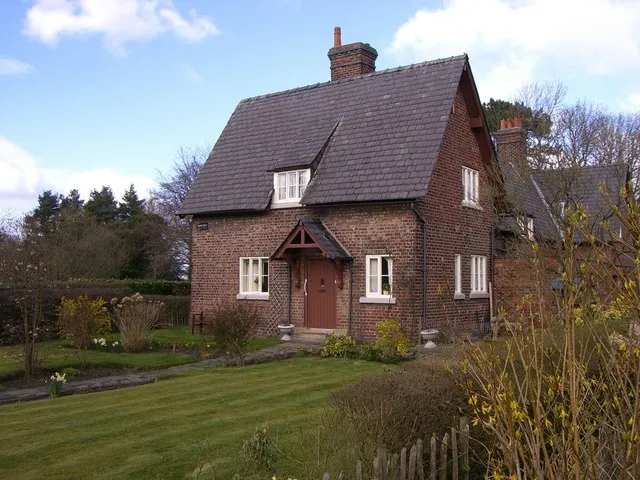
Photo: Peter Fuller, CC BY-SA 2.0, via Wikimedia Commons
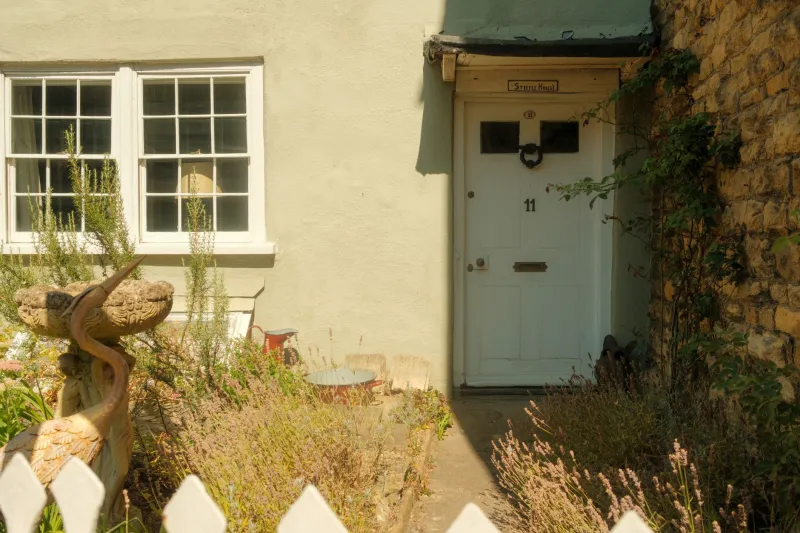
Walk through Great Bedwyn with half an eye on the gateposts and you will notice something quietly entertaining. Long before numbers became the norm, houses here were known by names: a trade, a field, a bridge, a stretch of water. Some of those names are centuries old. Others were chosen last summer. All of them say something about how the village sees itself.
This is not an exact science. A painted board is not a document, and a pretty name can be younger than the person reading it. But house names are still one of the friendliest ways into local history. They sit there at eye level, asking to be noticed.
More than a pretty plaque
House names often predate street numbers in places like Great Bedwyn. In a village where roads bend, lanes double back and a handful of cottages can share a single postcode, a name was once the practical way to say where you lived. The Old Forge tells the postman more than a number ever could.
Old maps and trade directories are useful company here. Tithe maps, Ordnance Survey sheets and county directories can show when a name first appears in print, or whether a cottage was once listed under its occupier rather than a title. They do not always agree. A house can appear as Brook Cottage on one map and Mill Cottage in a directory ten years later. That is not necessarily a mistake. Names moved around as families came and went, or as a new owner fancied a change.
The trick is to treat every name as a clue rather than a fact. A name can point to a trade, a field, a bridge or a railway. It can also point to the 1990s.
When every cottage had a trade
Some of the most evocative names in any English village are the ones borrowed from work. The Old Forge, Smithy Cottage, Wheelwright's and Carpenter's Cottage all suggest a time when the village had its own practical economy, not just a commute. Great Bedwyn certainly had its share of makers and menders. A blacksmith, a builder, a baker or a bootmaker might all have worked from a cottage or a yard that now carries a comfortable modern name.
That does not mean the forge was always where the plaque says. Sometimes a name is a genuine survival. Sometimes it is a later tribute. A good test is to look for the building itself: wide old doors, a brick hearth, a hard-standing where a cart once turned. Names and buildings do not always match, but when they do, the story feels much more solid.
Farm names and the shape of the parish
Great Bedwyn's old parish was wide, and farming shaped its edges as much as its centre. Farm names such as Church Farm, Manor Farm, Court Farm or Lower Farm are a reminder that the village was once a network of farmsteads, lanes and fields rather than a single tidy settlement.
Field names are often hidden in plain sight, too. A modern house called Long Meadow or Barn Close may be borrowing from a field that existed long after the farmhouse changed hands. Tithe apportionments and estate maps are the places to look. They can be dry at first, all acres and owners, but they often carry the old names of closes and furlongs. Occasionally a garden gate will repeat a name that appears on a map from the 1840s. That is the sort of small discovery that can keep a local historian happily occupied for an afternoon.
It is worth saying that not every farm name is ancient. Modern developments often reach for rural names to give a new cul-de-sac a sense of place. That is not a crime. It is just a different kind of history: a name made in the twenty-first century about a landscape that was farmed in the nineteenth.
A canal runs through the names
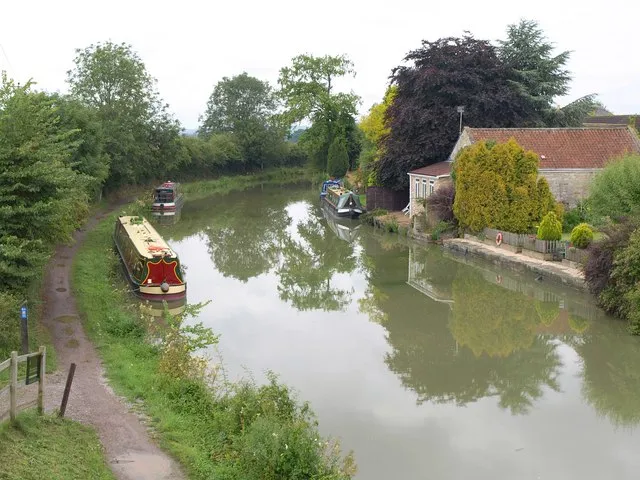
The Kennet and Avon Canal gives Great Bedwyn a whole vocabulary of house names. Wharf Cottage, Lock House, Bridge Cottage and Towpath Cottage all sound as if they have been there since the first barges. Some will be genuinely tied to the canal age. Others may be later names chosen by people who loved living beside the water.
Near the River Dun, the pattern shifts again. Mill Cottage, Watermeadow and Dun Bank suggest water power, wet fields and the quiet business of a river that has always been part of village life. The Dun is not a grand river, but it has done its share of work over the centuries. A house name can be a small reminder of that.
A word of caution: canal-side names are particularly prone to romance. A cottage can be called The Lock House without ever having housed a lock keeper. That does not make the name untrue to the place. It just means the name is telling a story about how we see the canal now, not only how it was then.
Railways, stations and a sense of arrival
The railway brought another layer of names. Station House, Railway Cottage and The Sidings all point to the nineteenth-century arrival of the line, when Great Bedwyn's station made the village more connected and, in its way, more busy. Some railway names are original. Others are modern nods to a past that still shapes the village's layout.
Old directories can help here. If a cottage appears under a railway occupation in the 1880s, that is a good sign the name has roots. If the name only appears in the 1980s, it is still part of the story, just a later chapter.
What the gateposts will not tell you
A house name is rarely the whole truth. It can be changed, shortened, polished or invented. The best way to read it is to pair it with other evidence: old maps, census returns, trade directories, photographs and the memories of neighbours. The Wiltshire and Swindon History Centre at Chippenham is a good place to start for anyone who wants to dig further. So is a conversation over a garden hedge.
And if your own gatepost carries a name with a story behind it, we would love to hear it. Great Bedwyn's history is not only in the church, the canal and the railway. It is also in the small painted signs that people walk past every day.